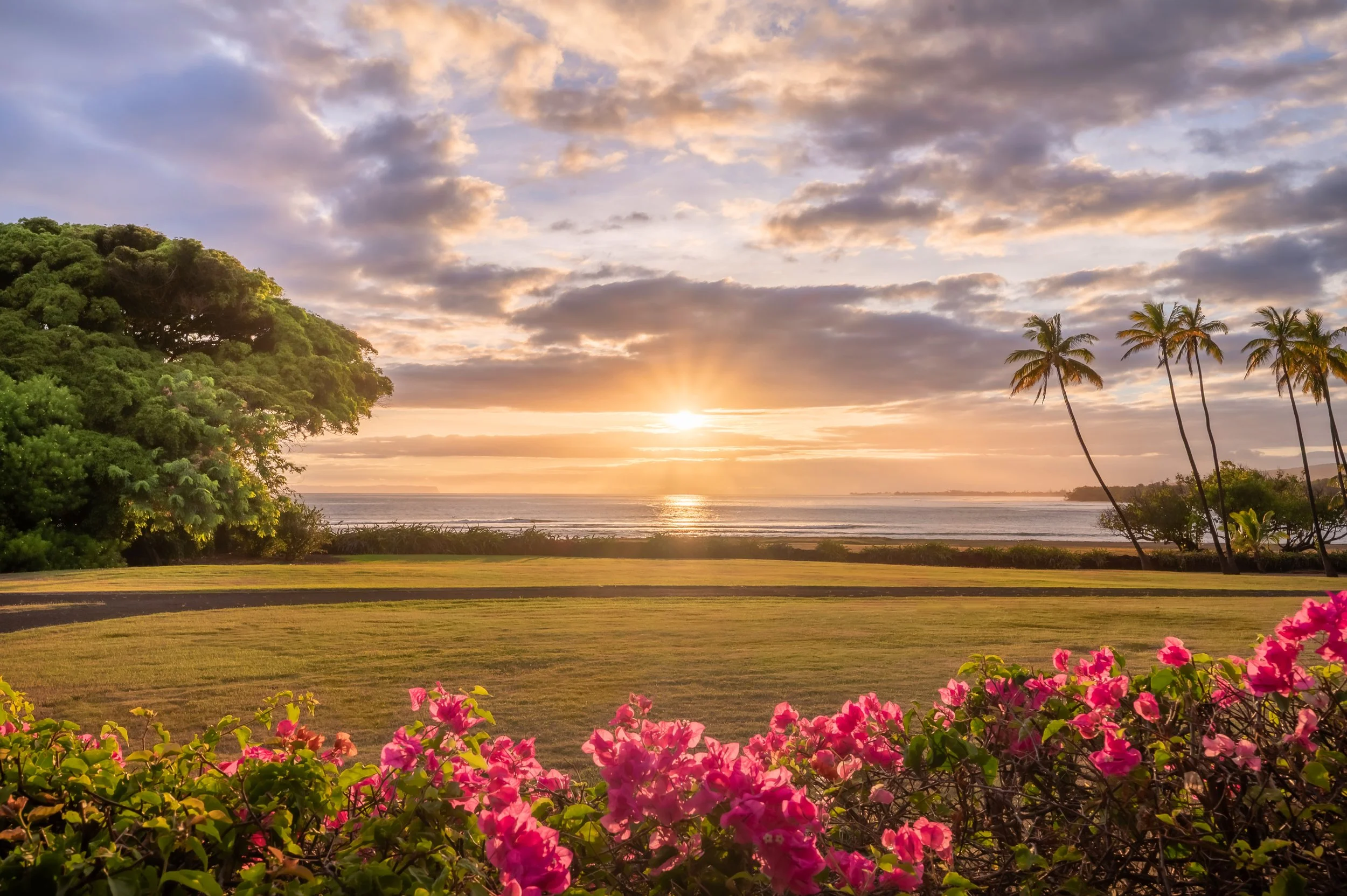
Pākalā
The sun shines
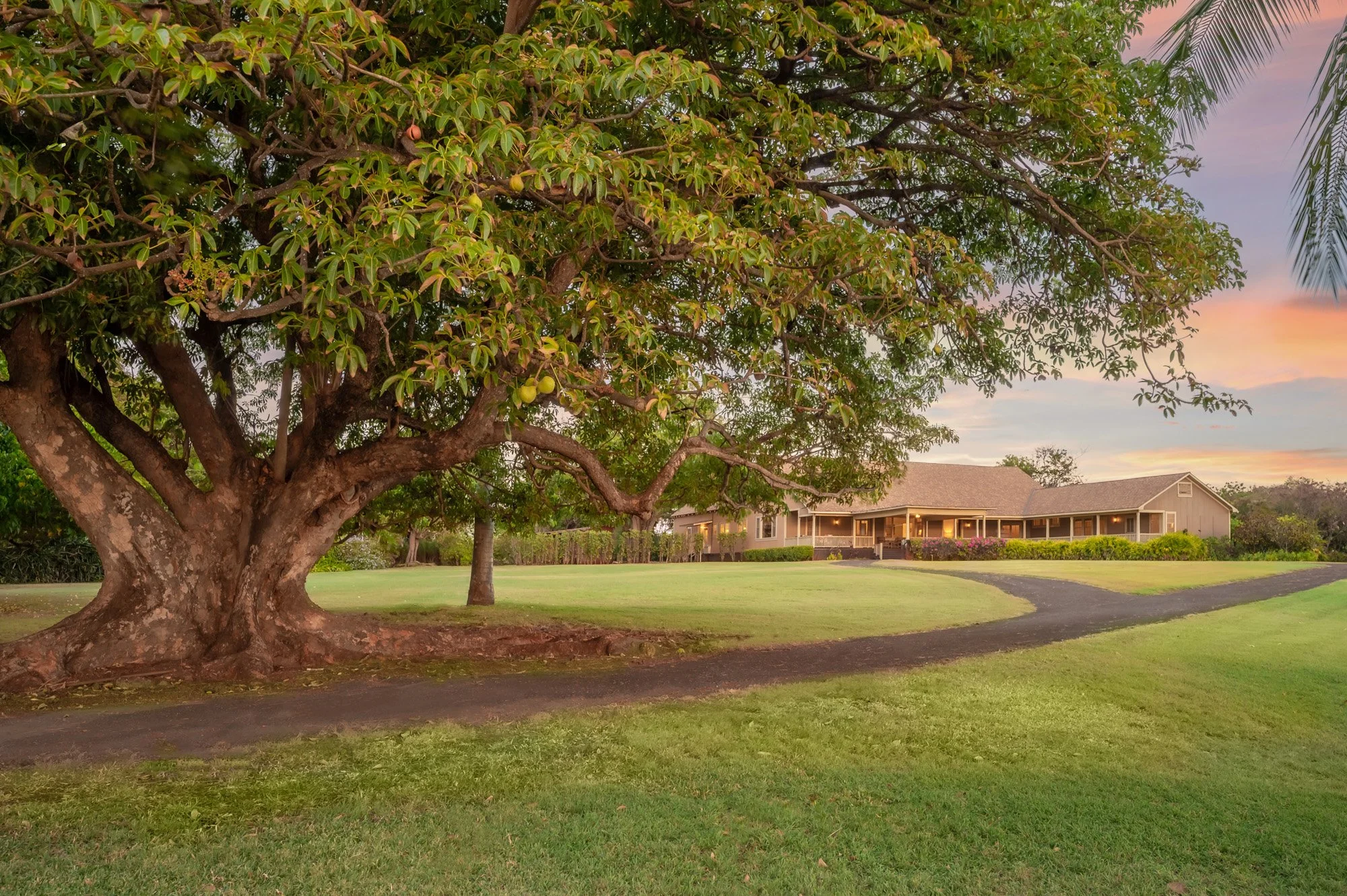
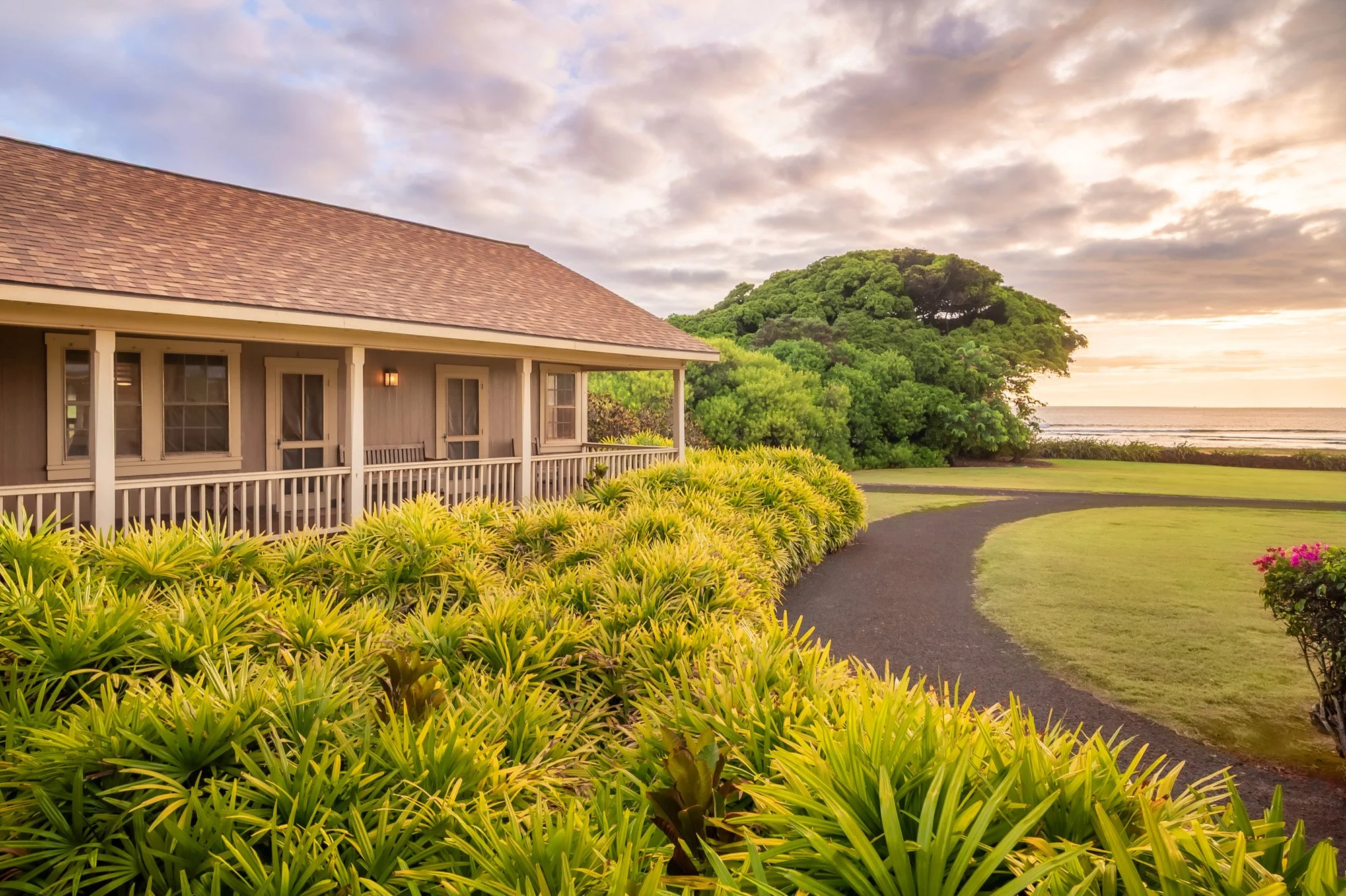
A house on the west side of Kauaʻi, and the water it has faced since 1912
The name Pākalā is commonly translated as the sun shines, and it refers to the clear, dry weather that sets this stretch of coast apart from the interior rising behind it. Rain can fall in the upper valleys at four or five hundred inches a year, while the shoreline below might see twenty-three. Most of what falls up in the mountains reaches this beach only through ditches, on a schedule engineers set generations ago. What arrives here on its own, most days, is light.
Cattle then cane
That contrast also sums up the property's history. In the 1860s the Sinclair family, newly arrived from New Zealand, bought first Niʻihau and then Makaweli, more than twenty-one thousand acres running from this shoreline back into the mountains at Kauaʻi's center. The land carried cattle and sheep for years, until a shift in trade policy made sugar profitable and water, not land, became what people fought over. A grandson of the family, Aubrey Robinson, spent a quarter century cutting irrigation out of the Olokele and Kōʻula valleys, finishing in 1904, and turned a dry plain into cane country reaching from the foothills to the beach.
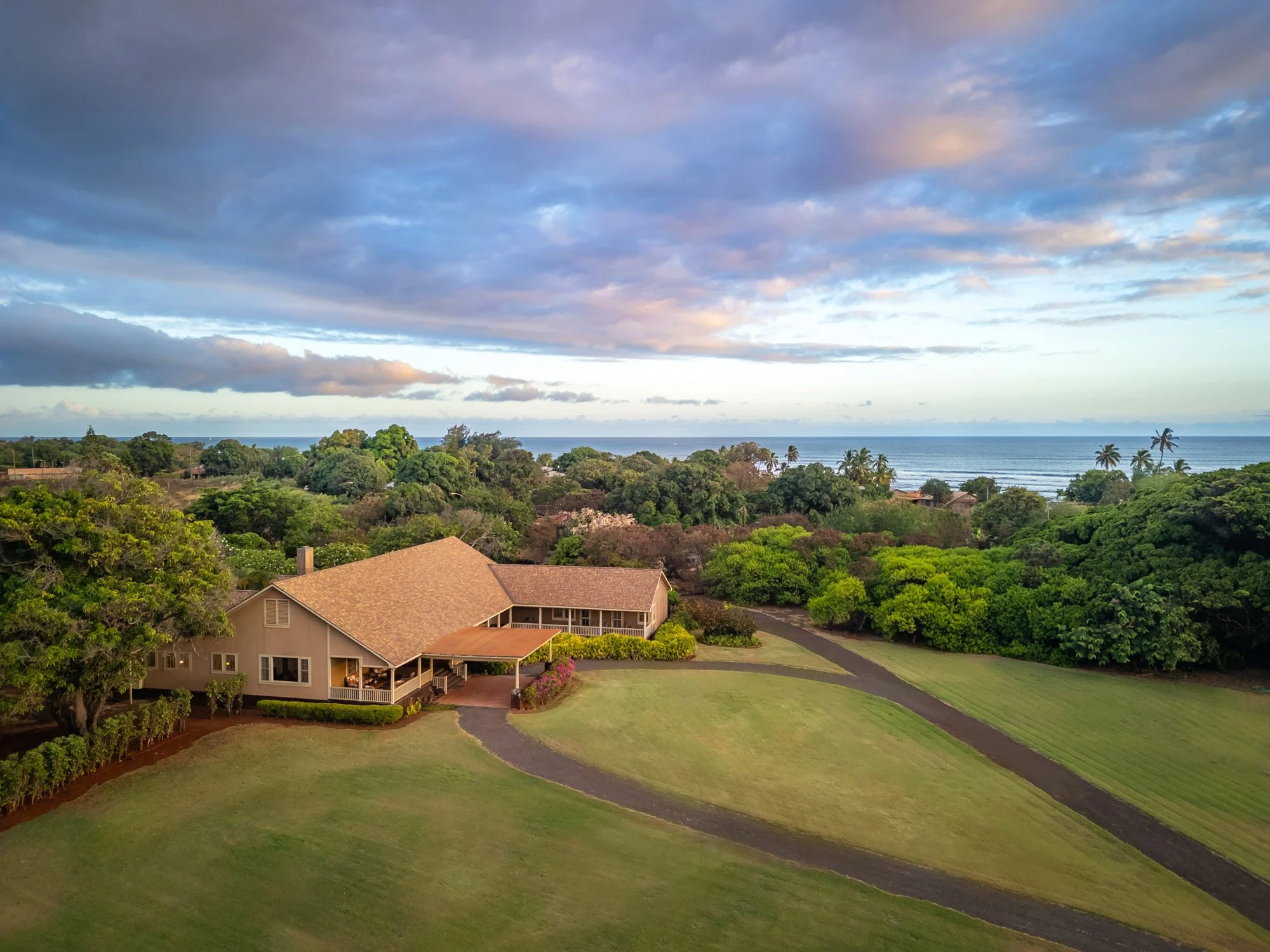
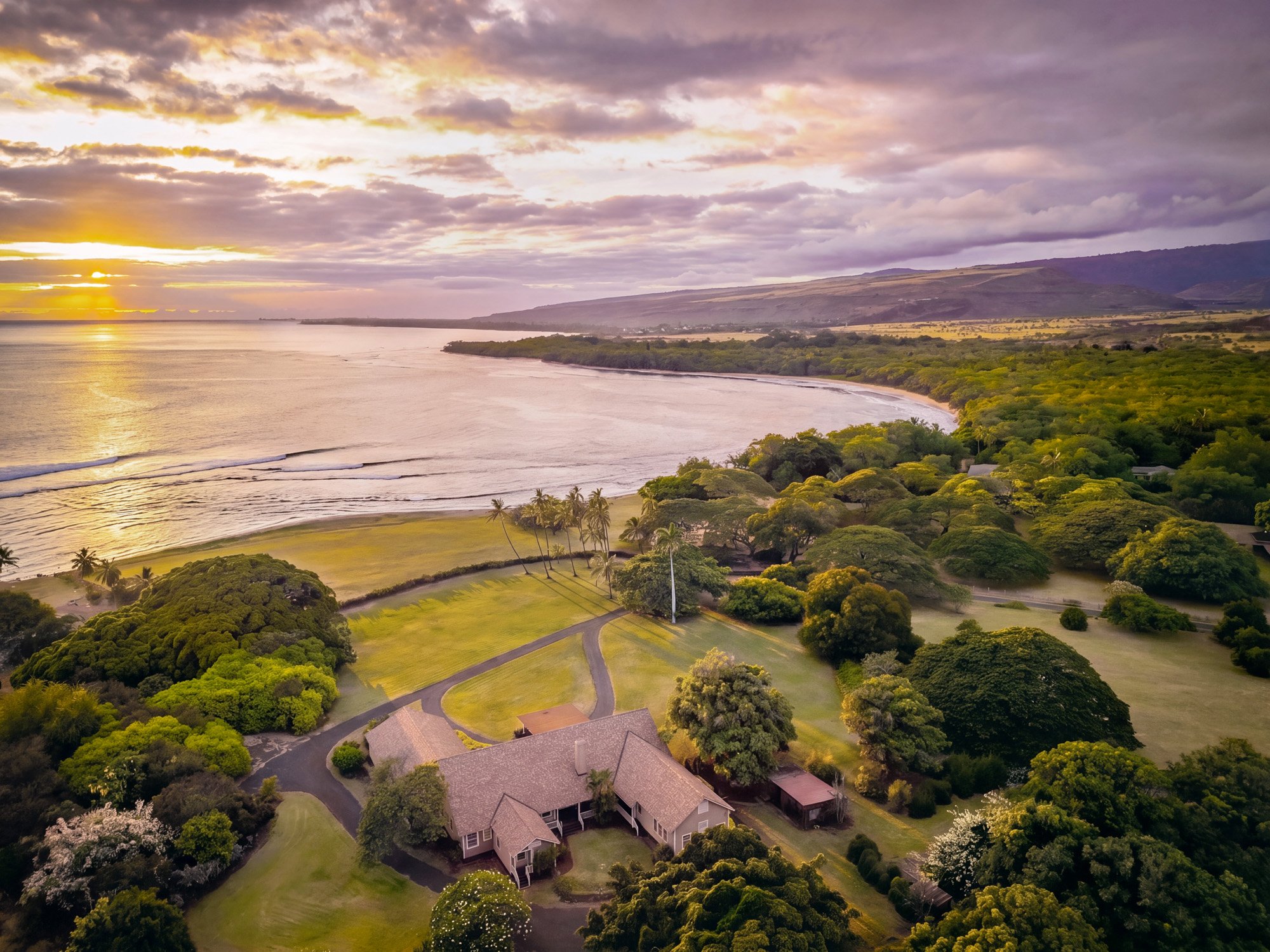
His son Sinclair Robinson was born on that land and took over the plantation in 1912, at twenty-six. The same year, a house went up for him at the shoreline, facing the water while the mill and fields stayed inland. He ran Gay & Robinson for fifty-two years, and the company outlasted every other sugar operation on Kauaʻi, closing out the island's last cane harvest in 2009.
Read More: The History of Pākalā Estate
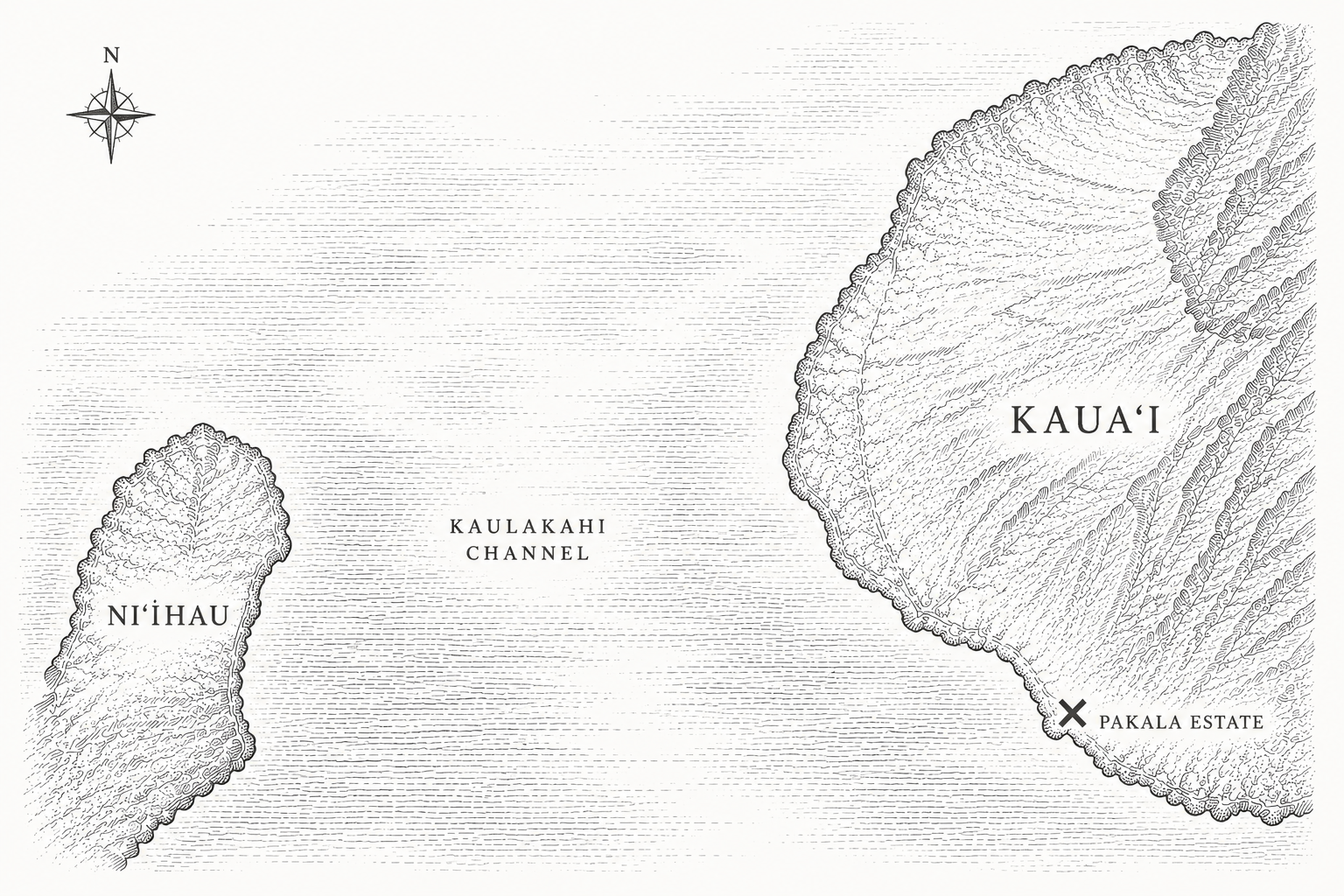
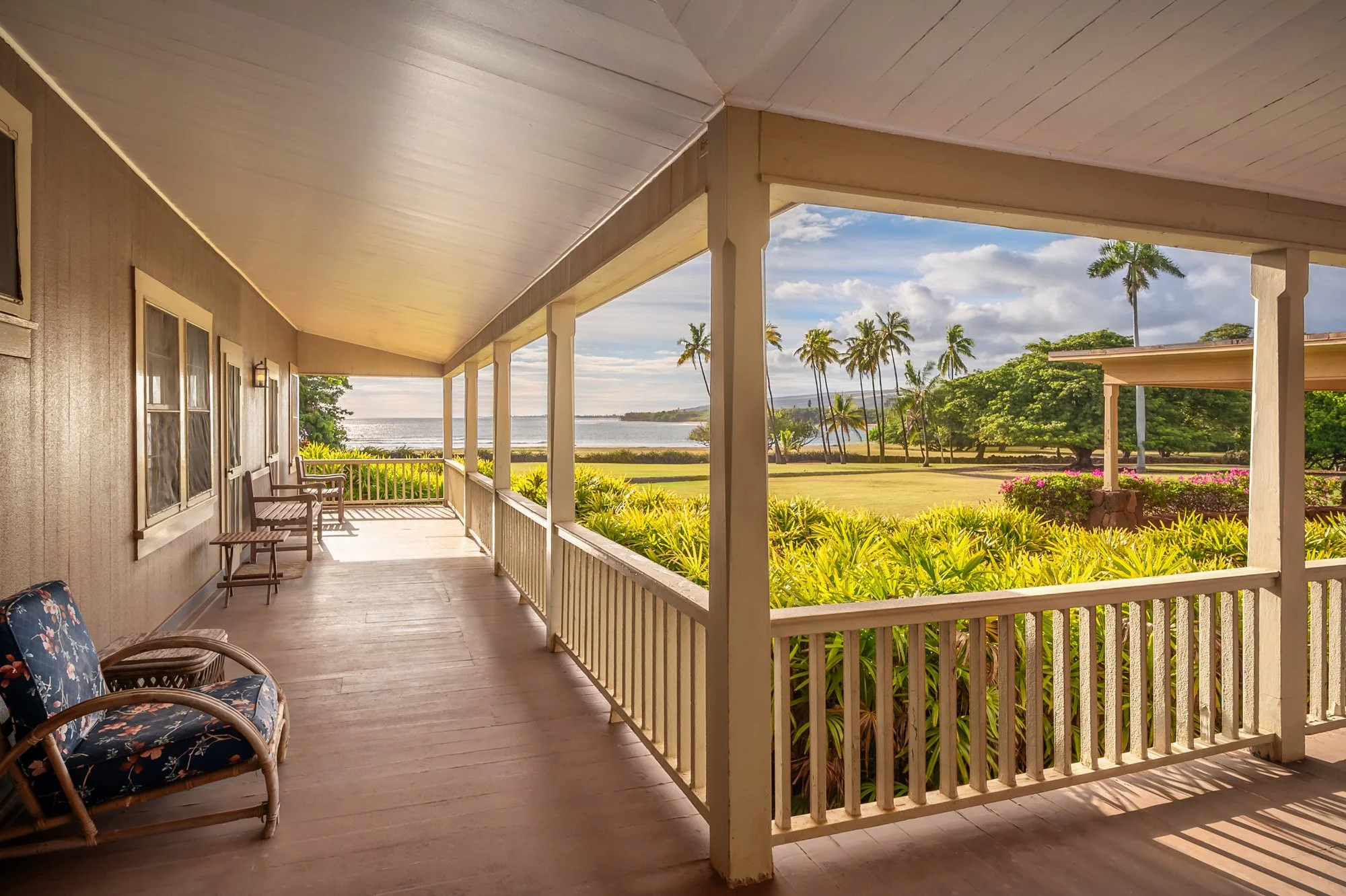
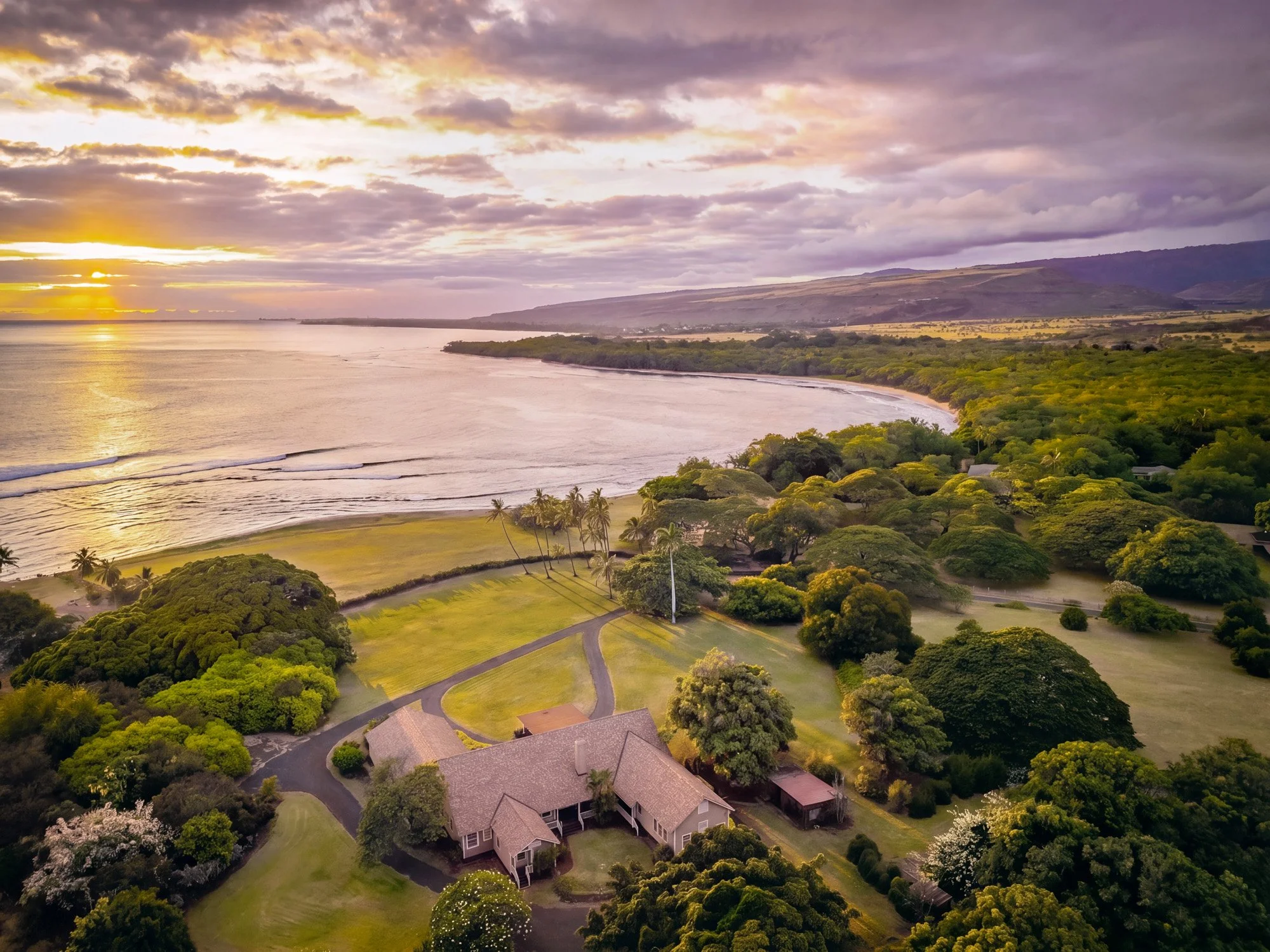
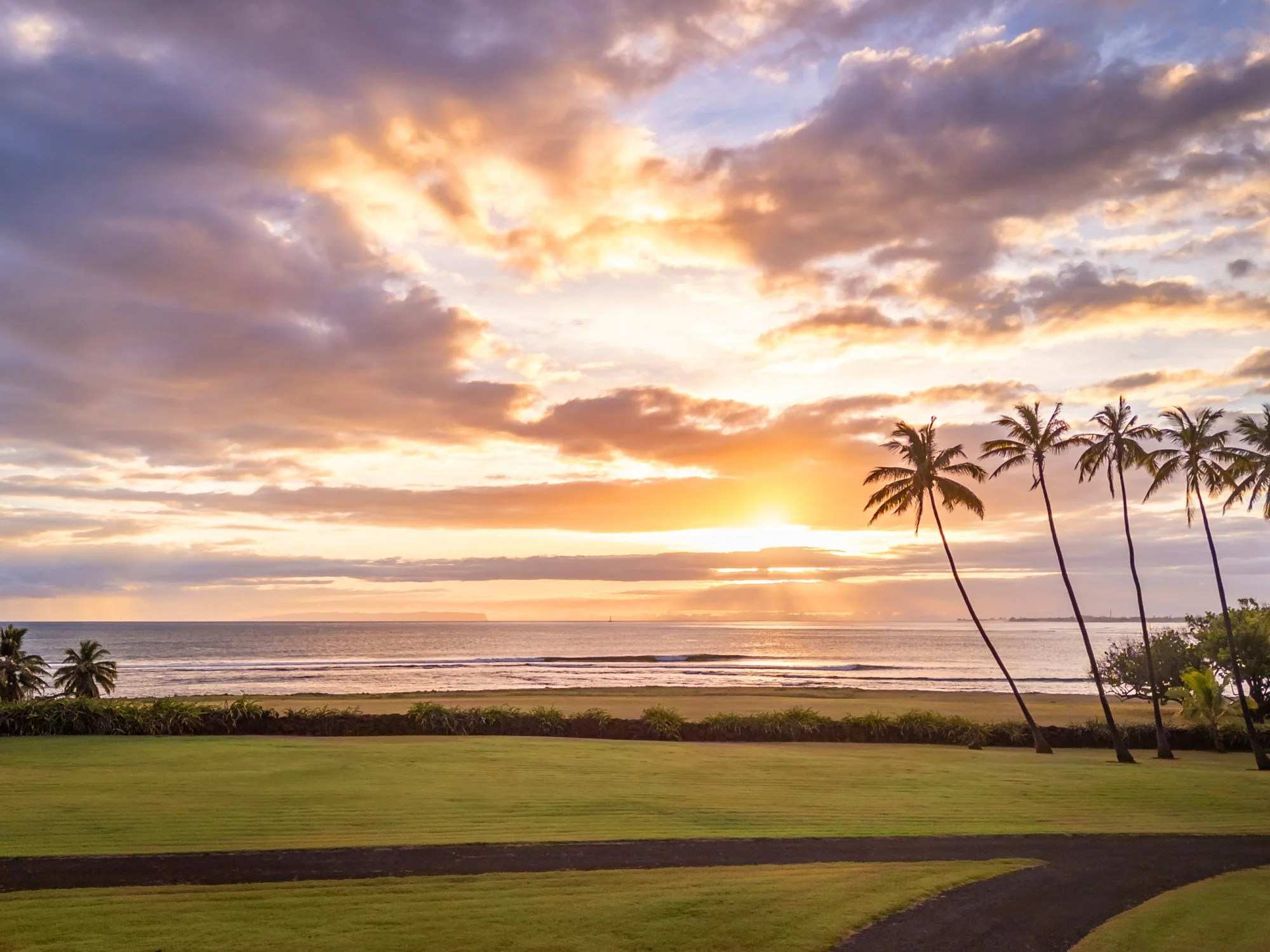
Pākalā on the west side of Kauaʻi, with Niʻihau across the Kaulakahi Channel. The house faces due west toward the island.
A second history, in the water
The water in front of the house holds a history older than the plantation's. Surfing on this coast long predates the family, and its young men learned to ride here. In 1873, an English visitor recorded them here on surfboards. The modern name came later: surfers called the wave Infinities, for a ride that seems not to end, and Bank Wright's Surfing Hawaii put the name in print in 1971.
That name belongs to the ride. The name of the place reaches much further back.
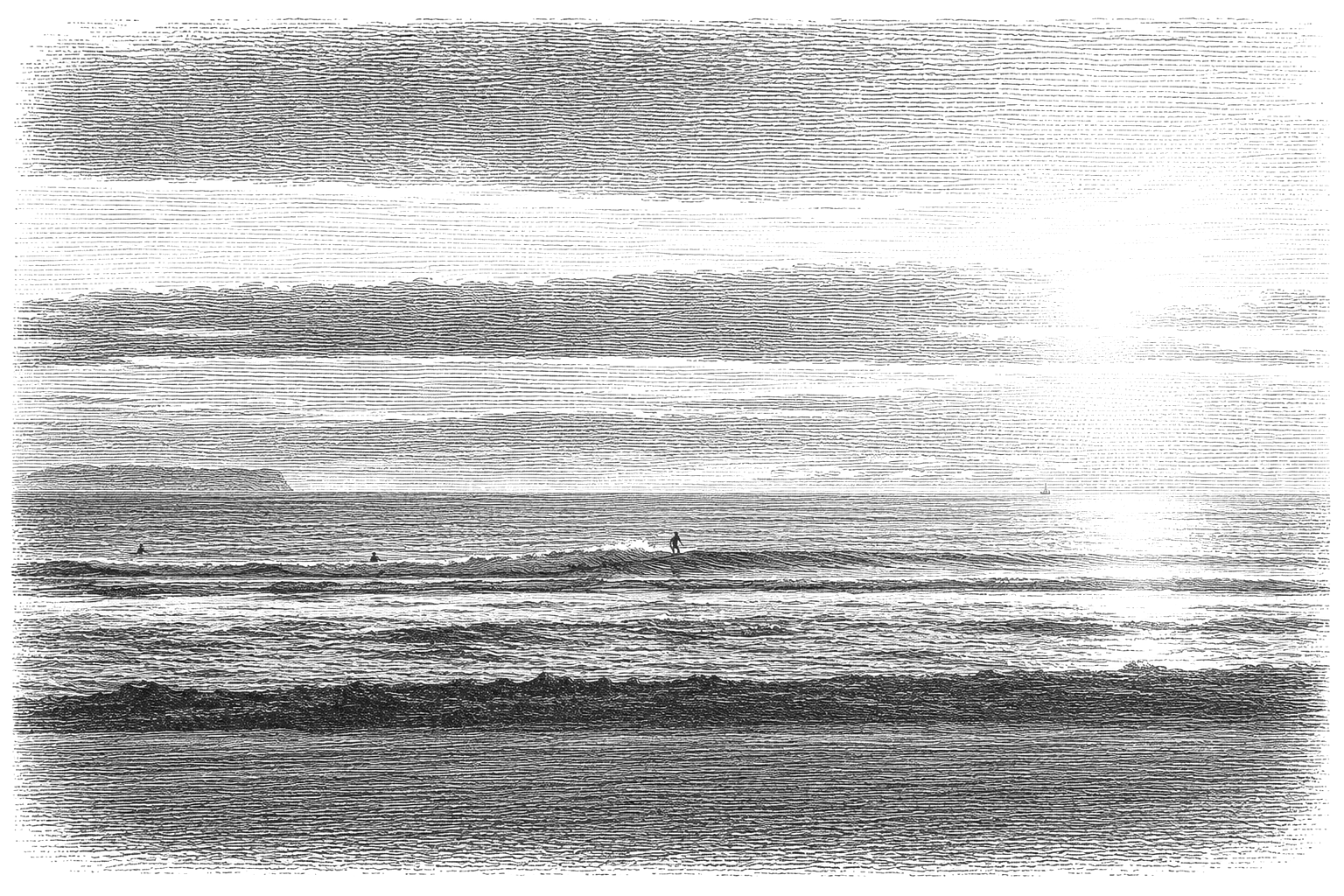
A long left along the reef offshore. It reached print in 1971, fifty-nine years after the house was built.
What is left when you take both away
Strip away both histories, ownership and surfing. Water still moves out of the mountains and onto dry ground the way it has for more than a century. The wave still breaks on the reef long after any guidebook needed to name it. And the house still looks in the one direction it always has, west, toward the sun the place was named for to begin with.
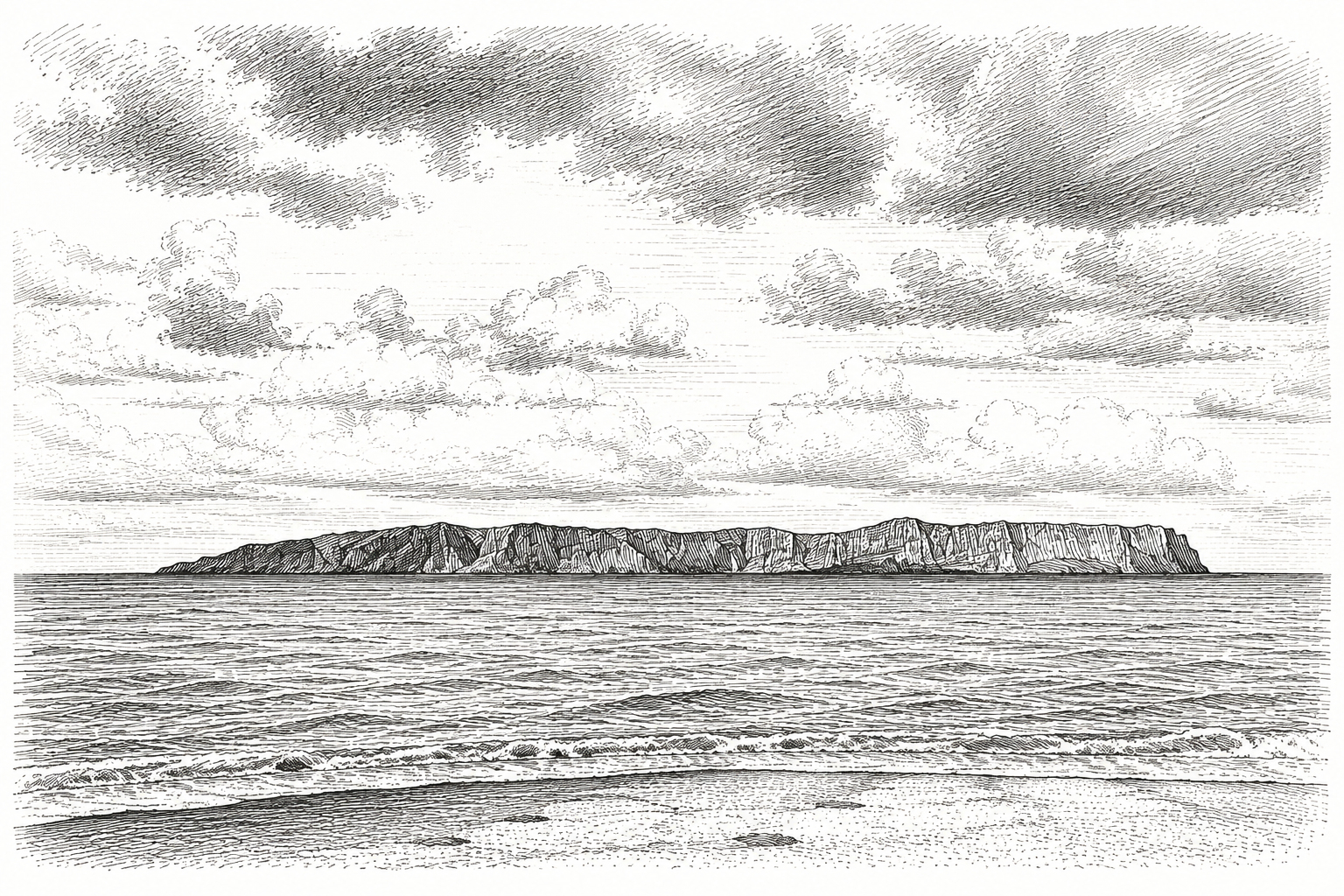
Niʻihau, across the Kaulakahi Channel, on the western horizon straight out from the house. The sun goes down on that line.
Pākalā at a glance
On the west side of Kauaʻi, the leeward and drier side of the island
The name is commonly translated as the sun shines
Four to five hundred inches of rain a year in the upper valleys, as little as twenty-three at the shore
Due west orientation, with Niʻihau on the horizon and the sun setting straight ahead
A long left breaking along the reef offshore, known to an earlier generation of surfers as Infinities
Recorded in print in 1971, fifty-nine years after the house was built
Sinclair family acquisition of Niʻihau in 1864 and Makaweli in 1865
The last sugar harvest on Kauaʻi, taken by Gay & Robinson in 2009
-
![]()
The Estate
-
![]()
The Home
-
![]()
Summary
-
![]()
Gallery